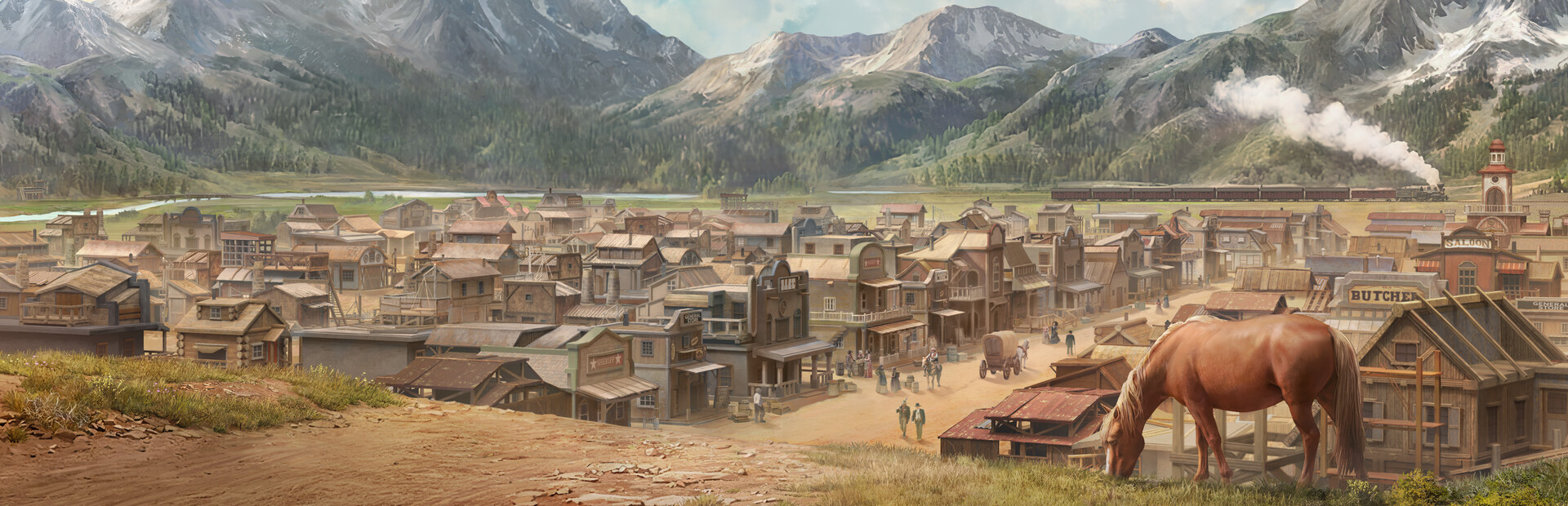
Wild West Pioneers Town Buildings: Complete Guide to Frontier Settlements
Quick answer
Master Wild West Pioneers town buildings with our guide to residential, commercial, and production structures for thriving frontier settlements.
Understanding the Building System in Wild West Pioneers
Building a thriving frontier settlement takes more than dropping structures across an empty map. In the upcoming strategy game from Empire Craft Studios, your selection of Wild West Pioneers town buildings determines whether your settlers flourish or fail. Every structure serves a purpose, from housing families to processing lumber, and understanding how these pieces fit together is essential for any aspiring frontier mayor.
Scheduled for release in 2026, this city builder promises a classic experience with modern refinements. According to the official Toplitz Productions page, players can expect dozens of buildings and production chains that evoke the golden age of the genre while adding contemporary quality-of-life features.
The building system breaks down into several interconnected categories that work together to keep your settlement running smoothly.
| Building Category | Primary Function | Key Considerations |
|---|---|---|
| Residential | Houses settlers and drives population growth | Must scale with incoming residents |
| Commercial | Generates income and provides services | Placement affects settler commute times |
| Production | Creates essential resources like food and wood | Forms the backbone of production chains |
| Civic | Administrative and governance functions | Leader perks influence building efficiency |
Each category interacts with others through supply chains. A lumber mill needs deliveries from a logging camp, which then feeds construction materials to new residential structures. Grasping these relationships early prevents costly restructuring down the line.
Key Building Types and Their Strategic Value
Residential Structures
Residential Wild West Pioneers town buildings form the foundation of any settlement. The developer emphasizes that every settler is an individual character with specific needs—food, employment, healthcare, and overall happiness. Your housing must expand alongside population growth to prevent overcrowding and dissatisfaction.
Happiness levels directly influence your ability to attract new settlers. Without adequate residential capacity and supporting infrastructure, your frontier town will stagnate while rival settlements grow.
Production and Commercial Buildings
Production chains represent the economic engine driving your settlement forward. Based on officially announced features, these chains encompass several key areas:
- Food supply: Farms, mills, and processing facilities working in sequence
- Wood processing: Logging camps feeding sawmills and carpentries
- Trade infrastructure: Trading posts and wagon dispatch points
- Healthcare: Herb gardens supplying apothecaries and clinics
| Production Chain | Input Structures | Output Structures | Settler Impact |
|---|---|---|---|
| Food Supply | Farms, Fishing Posts | Bakeries, Kitchens | Prevents starvation, boosts happiness |
| Construction | Logging Camps | Sawmills, Carpentries | Enables new building projects |
| Trade Network | Trading Posts | Warehouses, Wagons | Generates income, enables resource exchange |
| Healthcare | Herb Gardens | Apothecaries, Clinics | Maintains settler wellbeing |
The day and night cycle adds complexity to production management. City life shifts from dusk till dawn, meaning efficient production chains require consideration of temporal factors that affect output and settler routines.
Strategic Building Placement and Upgrades
One of the most compelling aspects of Wild West Pioneers is its sandbox character. No two playthroughs will feature identical Wild West Pioneers town buildings layouts, and the strategic map gives you tools to plan expansion methodically.
Placement Tips for Maximum Efficiency
- Position production buildings near their resource sources to minimize transport delays
- Cluster residential structures near commercial buildings for shorter settler commutes
- Leave buffer space between buildings for future upgrades and expansions
- Establish trading outposts at settlement edges for easier wagon dispatch
- Leverage natural features like rivers for fishing and water-based production
The game rewards thoughtful planning because every job is executed by a visible person rather than a backend calculation. You will literally watch settlers walk between buildings, so poor placement translates directly into longer travel times and reduced efficiency.
Upgrade Paths and Building Evolution
Buildings in Wild West Pioneers are not static structures. The developer confirms that both commercial and residential buildings can be upgraded over time to accommodate the ever-changing needs of settlers.
| Upgrade Tier | Typical Requirements | Benefits Gained |
|---|---|---|
| Tier 1 (Basic) | Initial resources only | Minimal functionality, low capacity |
| Tier 2 (Improved) | Additional materials plus population threshold | Increased capacity and output |
| Tier 3 (Advanced) | Trade route access plus specific resources | Enhanced efficiency, new functions |
| Tier 4 (Specialized) | High happiness plus strategic map unlocks | Maximum productivity and bonuses |
Leadership Impact on Buildings
An often overlooked dimension of Wild West Pioneers town buildings is how leadership choices affect construction and management. You can appoint mayors and sheriffs, each carrying unique perks that influence city growth.
Choose leaders whose bonuses align with your current building priorities. A mayor with manufacturing perks accelerates production output, while a sheriff who boosts settler happiness attracts new residents faster. The developer warns that poor appointments can cost you dearly, so consider your strategy carefully before filling these positions.
Multi-Settlement Building Networks
Wild West Pioneers does not confine you to a single town. As you discover new resource streams and production chains, the urge to expand becomes part of the core gameplay loop. Your Wild West Pioneers town buildings strategy must eventually encompass multiple interconnected settlements working as a regional network.
Building a Regional Economy
The strategic map enables several expansion actions:
- Send expeditions to scout uncharted territory for new settlement locations
- Establish trading outposts in resource-rich areas
- Dispatch wagons carrying materials between connected towns
- Prepare the land for the coming railroad network
Each new settlement should specialize in specific production chains rather than trying to be self-sufficient. One town might focus on agriculture while another emphasizes lumber or mining. Trade routes then exchange these specialized outputs, creating a regional economy more robust than any single settlement could achieve alone.
| Settlement Specialization | Primary Buildings | Main Exports | Main Imports |
|---|---|---|---|
| Agricultural Hub | Farms, Mills, Bakeries | Food, Grain | Wood, Tools |
| Industrial Center | Logging Camps, Sawmills | Lumber, Planks | Food, Medicine |
| Mining Outpost | Mines, Forges | Ore, Refined Metal | Food, Lumber |
| Trade Capital | Warehouses, Trading Posts | Processed Goods | Raw Materials |
Optimization Tips Based on Game Features
Drawing from announced game features and player experience with similar city builders, here are actionable strategies for maximizing building efficiency across your settlement network:
- Prioritize food production first: No settlement survives without fed settlers, so establish farms before expanding other chains
- Balance residential and commercial growth: Too many houses without jobs creates unrest and wasted potential
- Monitor happiness indicators constantly: Health standards and job availability directly drive settler satisfaction
- Plan ahead for the railroad: Future infrastructure will reshape your building strategy, so avoid permanent commitments that block expansion
- Embrace sandbox experimentation: Since no game plays the same way twice, test different layouts and building combinations
- Observe settler movement patterns: Watch how people navigate between structures to identify bottlenecks and inefficiencies
The developer emphasizes that watching your settlement grow in detailed glory is half the fun. Rather than constantly micromanaging, take moments to sit back and observe the charming hustle and bustle of frontier life unfolding through your building choices.
Frequently Asked Questions
What types of Wild West Pioneers town buildings are available?
Based on official information from Toplitz Productions, the game features dozens of buildings across residential, commercial, production, and civic categories. These include homes, farms, mills, trading posts, warehouses, healthcare facilities, and various production structures. Each building type can be upgraded through multiple tiers to meet growing settler demands.
How do Wild West Pioneers town buildings affect settler happiness?
Every settler functions as an individual with needs influenced by job availability, health standards, and living conditions. Your buildings directly impact these factors. Residential structures provide shelter, production buildings create employment, and civic buildings maintain order. Insufficient or poorly placed buildings reduce happiness, which limits population growth and your reputation as a frontier leader.
Can Wild West Pioneers town buildings be upgraded over time?
Yes, the developer confirms that both commercial and residential buildings support upgrades. These improvements accommodate changing settler needs and boost building efficiency. Higher tiers typically require additional resources, sufficient population levels, and access to established trade networks before unlocking.
How does the day and night cycle impact building management?
The day and night cycle changes city life from dusk till dawn, affecting how production chains and trade routes function. While the developer has not detailed every mechanical effect, efficient building placement and balanced production scheduling help mitigate challenges that arise during different times of day.
Choose your next move
Related Guides
Once this question is solved, continue to the next decision without returning to search.
Wild West Pioneers Building Guide: Priority, Placement, Upgrades
A conservative Wild West Pioneers building guide for building priority, early vs later buildings, placement, production support, and upgrade caution.
Wild West Pioneers Buildings & Upgrades: Town Hall, Warehouse, Housing and Production
Plan Wild West Pioneers buildings, building upgrades, town hall growth, warehouses, housing, and production buildings before playtest values are confirmed.
Wild West Pioneers Settlement Buildings: Complete Frontier Construction Guide
Master Wild West Pioneers settlement buildings with our guide to construction, upgrades, production chains, and frontier city planning.