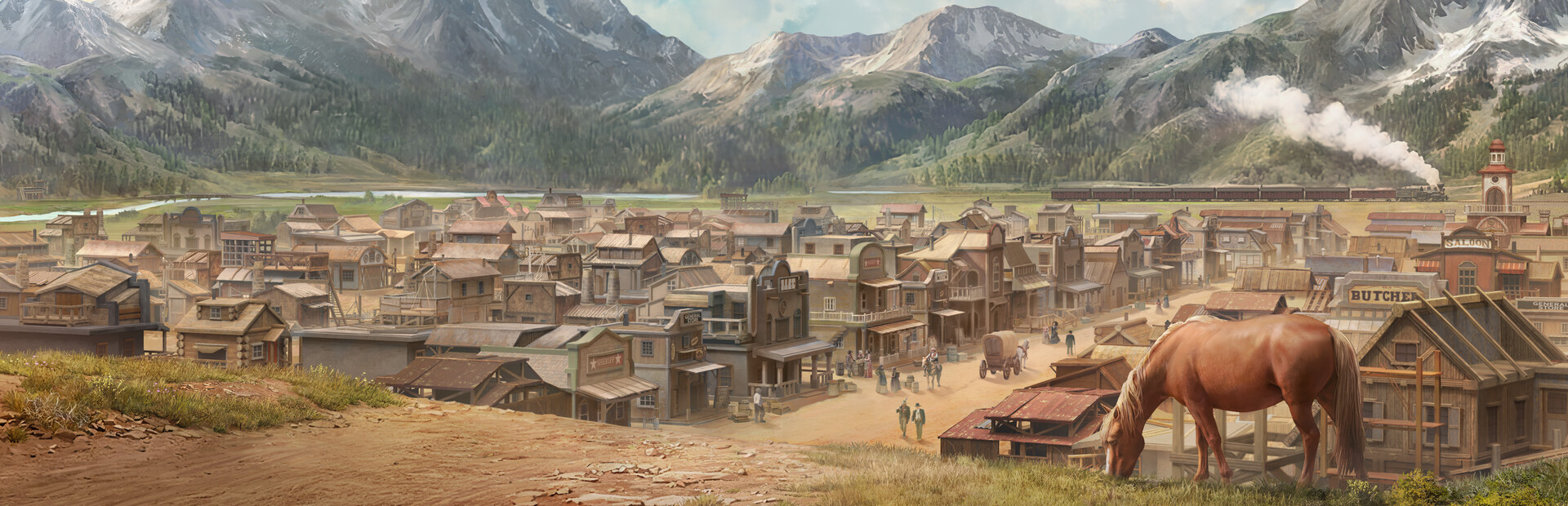
Wild West Pioneers How to Get Resources: Ultimate Guide
Quick answer
Master resource gathering in Wild West Pioneers with our complete guide to production chains, trade routes, and settlement expansion strategies.
Why Resource Management Defines Your Frontier Success
If you're diving into frontier life, understanding Wild West Pioneers how to get resources is the single most important skill you'll need to build thriving settlements. This upcoming city builder, available on the Epic Games Store, puts you in charge of developing the American frontier — and every log, crop, and trade route matters. Whether you're a veteran city builder fan or new to the genre, mastering Wild West Pioneers how to get resources will determine whether your settlers flourish or fail in the untamed West.
The game promises a classic city-building experience with a modern twist. You'll lay groundwork for prosperous settlements, establish production chains, and expand your sphere of influence across uncharted territory. But none of that happens without a solid resource strategy.
Understanding the Core Resource System
Wild West Pioneers revolves around several interconnected resource categories. Based on information from the game's official store page, resources flow through production chains — meaning raw materials must be harvested, processed, and distributed before they reach your settlers.
Primary Resource Types
| Resource Category | Source Building | Processed Output | Primary Use |
|---|---|---|---|
| Wood | Sawmill | Lumber | Construction, upgrades |
| Food | Farms, Butcher | Processed food | Settler happiness, survival |
| Raw Materials | Mining/Quarry (expected) | Refined goods | Advanced buildings |
| Trade Goods | Production chains | Various | Exchange between settlements |
The game emphasizes that every job is executed by an actual person within your settlement, not a backend calculation. This means your workforce allocation directly impacts resource throughput. If too few settlers work the sawmill, lumber production stalls — and so does your expansion.
How Production Chains Work
Production chains form the backbone of resource gathering. A simple chain might look like this:
- Step 1: Settlers harvest raw materials (trees, crops, ore)
- Step 2: Transport hubs move materials to processing buildings
- Step 3: Processing facilities (sawmill, butcher, etc.) convert raw goods
- Step 4: Warehouses store finished products
- Step 5: Goods distribute to settlers or trade networks
Each link in this chain depends on the previous one. Break any connection — through poor planning, insufficient workers, or logistical bottlenecks — and the entire system suffers.
Building Your First Resource Economy
When starting a new settlement, your early decisions shape everything that follows. The official game description highlights that you'll choose from residential and commercial buildings, including sawmills, butchers, warehouses, and transport hubs.
Recommended Early Game Build Order
| Priority | Building | Purpose | Resource Impact |
|---|---|---|---|
| 1 | Sawmill | Lumber production | Unlocks construction |
| 2 | Farm | Raw food generation | Sustains settlers |
| 3 | Warehouse | Storage capacity | Prevents resource loss |
| 4 | Transport Hub | Distribution network | Connects production chains |
| 5 | Butcher | Food processing | Increases settler happiness |
Starting with a sawmill makes sense because nearly every subsequent building requires lumber. Without steady wood production, you'll hit a wall almost immediately. Farms follow close behind — hungry settlers won't work efficiently, and low happiness levels prevent new pioneers from joining your settlement.
Workforce Allocation Tips
Your settlers are individuals with specific needs and demands. The game explicitly states that happiness levels — influenced by job availability, health standards, and other factors — determine whether you can attract new settlers.
- Balance your workforce across multiple production chains rather than overloading one sector
- Monitor settler happiness indicators before assigning workers to demanding jobs
- Upgrade buildings over time to accommodate changing settler needs
- Appoint mayors and sheriffs whose perks complement your resource strategy
Expanding Through Trade Routes and New Settlements
One settlement is only the beginning. The game's description makes clear that as you discover new resource streams and production chains, expansion becomes essential. This is where many players struggle with Wild West Pioneers how to get resources at scale — single-settlement production eventually hits hard limits.
Multi-Settlement Resource Strategy
The strategic map allows you to plan expansion by sending expeditions, establishing trading outposts, and dispatching wagons to found new villages. Each new settlement can specialize in different resource streams, creating a network where goods flow between locations.
| Settlement Type | Specialization | Trade Output | Imports Needed |
|---|---|---|---|
| Agricultural Village | Food production | Processed food, crops | Lumber, tools |
| Logging Camp | Wood products | Lumber, refined wood | Food, cloth |
| Mining Town | Raw materials | Ore, stone | Food, lumber |
| Trade Hub | Distribution | Varied goods | Mixed resources |
Trade routes connect these specialized settlements, allowing resource exchange. The game warns: "Don't leave anybody behind or it will cost you dearly." This suggests that neglected settlements can suffer penalties, potentially disrupting your entire supply chain.
Setting Up Efficient Trade Routes
Based on the game's mechanics, trade route efficiency depends on several factors:
- Distance between settlements — Longer routes require more time and transport capacity
- Transport infrastructure — Wagons and eventually railroads move goods at different speeds
- Resource balance — Each settlement should produce surplus in its specialty while receiving needed imports
- Day and night cycles — The game features a time cycle that impacts the game world, potentially affecting production and transport schedules
The railroad network mentioned in the game description represents a late-game transport upgrade. Preparing your settlements for this infrastructure advance can provide significant long-term advantages.
Advanced Resource Management Strategies
Once you've established basic production chains and trade networks, optimizing your resource economy becomes the focus. The game's sandbox nature means no two playthroughs are identical, but certain principles should hold across sessions.
Mayor and Sheriff Selection Impact
The game allows you to appoint mayors and sheriffs, whose perks affect city growth. While specific perks haven't been fully detailed, community reports suggest these appointments significantly influence resource production and settlement development.
| Leadership Role | Expected Influence | Strategic Consideration |
|---|---|---|
| Mayor | Production bonuses, growth modifiers | Match perks to settlement specialization |
| Sheriff | Security, settler happiness | Maintain order in expanding territories |
Choose leaders whose benefits align with each settlement's role in your broader network. A mayor with food production bonuses serves an agricultural village better than a mining town.
Quests and Expeditions
The game promises a variety of quests alongside its sandbox gameplay. These quests likely provide resource rewards, unique building opportunities, or access to new territory. Sending expeditions through the strategic map can uncover new resource streams — essential for maintaining growth as your existing settlements exhaust local supplies.
Key expedition considerations:
- Balance exploration costs against immediate settlement needs
- Prioritize expeditions that reveal resources matching your network's gaps
- Establish trading outposts in newly discovered territories before competitors
- Use wagons strategically — don't send all your transport capacity on a single expedition
Common Resource Management Pitfalls to Avoid
Even experienced city builder players can stumble when learning Wild West Pioneers how to get resources effectively. The game's interconnected systems create cascading failures when one element breaks down.
Top Mistakes and Solutions
| Mistake | Consequence | Solution |
|---|---|---|
| Ignoring settler happiness | Workers leave, production halts | Monitor needs regularly, assign leaders wisely |
| Single-settlement dependency | Resource bottlenecks, limited growth | Expand early, specialize settlements |
| Neglecting transport infrastructure | Goods pile up, shortages elsewhere | Build transport hubs and warehouses proactively |
| Over-specializing too early | Vulnerable supply chain | Maintain balanced production before specializing |
| Skipping trade routes | Isolated settlements, resource starvation | Establish trade connections as soon as possible |
The game's emphasis on individual settlers means population management directly impacts resource gathering. If settlers leave due to poor conditions, production chains collapse. Maintaining happiness through adequate food, healthcare, and job availability keeps your workforce stable and productive.
Preparing for the Railroad Era
The game description mentions preparing land for the coming railroad network — a clear signal that late-game resource management involves rail infrastructure. While specific mechanics remain under wraps ahead of launch, player experience from similar city builders suggests railroads will dramatically increase trade efficiency.
Railroad Preparation Checklist
- Plan settlement layouts with future rail connections in mind
- Accumulate surplus lumber and construction materials for rail building
- Position trade hubs along logical rail corridors
- Maintain strong relationships across settlements to ensure rail benefits the entire network
- Monitor quest lines that might unlock railroad technology or components
FAQ: Wild West Pioneers Resource Guide
What is the best way to start gathering resources in Wild West Pioneers?
Begin by constructing a sawmill for lumber production, followed by a farm for food. These two production chains form the foundation of every successful settlement. Build warehouses early to prevent resource loss and establish transport hubs to connect your production buildings efficiently.
How do trade routes work between multiple settlements?
Trade routes allow you to exchange resources between settlements you've founded. Each settlement can specialize in different resource streams, then trade surplus goods with other villages. Use the strategic map to plan expansions, establish trading outposts, and dispatch wagons between settlements to maintain a balanced resource network.
Can settler happiness affect resource production?
Yes. Every settler in Wild West Pioneers is an individual with needs and demands. Happiness levels — influenced by job availability, health standards, and other factors — determine whether you can attract new settlers. If happiness drops too low, settlers may leave, reducing your available workforce and disrupting production chains. Appointing the right mayors and sheriffs helps maintain positive conditions.
When does Wild West Pioneers release?
The game is listed as "Coming Soon" on the Epic Games Store. While an exact release date hasn't been confirmed, the store page provides detailed feature information suggesting development is well underway. Check the official Epic Games Store listing for the most current release information.
Mastering Wild West Pioneers how to get resources requires thinking several steps ahead. Every building placement, workforce assignment, and trade route decision ripples through your entire settlement network. By understanding production chains, planning multi-settlement specialization, and maintaining settler happiness, you'll build a frontier empire that stands the test of time. The West is waiting — make sure you bring the right strategy.
Choose your next move
Related Guides
Once this question is solved, continue to the next decision without returning to search.
Ultimate Guide to Wild West Pioneers Game Resources and Production Chains
Master Wild West Pioneers game resources, production chains, and settlement expansion with our complete early access survival guide.
Wild West Pioneers Economy Guide: Playtest-Era Resource Flow
A playtest-era economy guide for Wild West Pioneers covering production chains, worker allocation, storage, trade routes, and bottlenecks without unverified ratios.
Wild West Pioneers Settlement Resources: Complete Frontier Guide
Master Wild West Pioneers settlement resources with our complete guide to production chains, trade routes, and frontier expansion strategies.