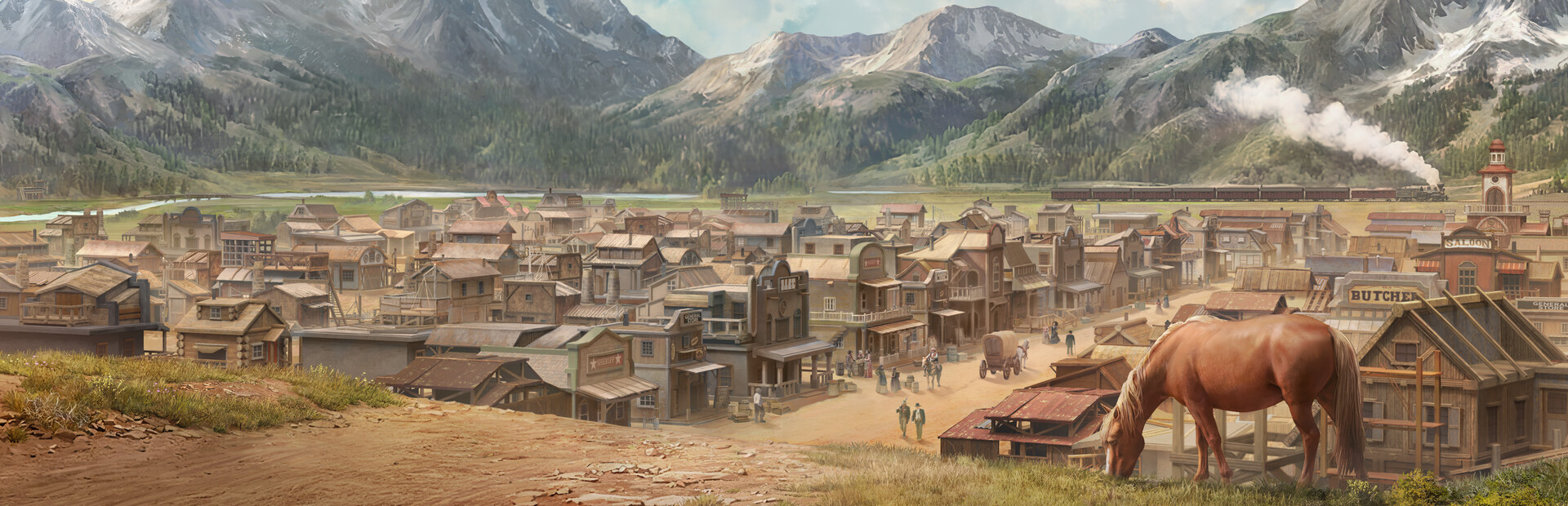
Wild West Pioneers Beginner Guide: What to Build First
Quick answer
What to build first and how to stabilize your first settlement without relying on unverified playtest numbers.
This Wild West Pioneers beginner guide focuses on the question new players will ask first: what should you build first? The safest opening is not a beautiful mega-town. It is a compact settlement core that keeps food, wood, housing, storage, and roads close enough that settlers can actually keep the economy moving.
The game is built around production chains, simulated settlers, trade routes, expeditions, and multiple settlements. That means your opening plan should reduce walking time and prevent resource bottlenecks before you expand.
Current Playtest and Early Access Status
The current pre-release hands-on path is the Steam Open Playtest, which uses Steam Request Access and limited admission. If you want to try the game before launch, start with the Wild West Pioneers Playtest Guide, then return here for the opening settlement priorities.
Wild West Pioneers is scheduled for Early Access on September 25, 2026. The older February demo is useful historical context, but exact build costs, UI steps, placement ranges, and save behavior should be rechecked in the current playtest or Early Access build. For the date breakdown, use the Wild West Pioneers Release Timeline.
Quick Opening Plan
| Phase | Main goal | What to build or check |
|---|---|---|
| Opening settlement | Stabilize survival | Housing, food source, wood gathering, simple roads |
| Early growth | Prevent bottlenecks | Warehouse, sawmill, reliable food processing |
| First production chain | Turn raw goods into useful goods | Logging to sawmill; hunter or farm to food |
| First expansion step | Scout before committing | Send scout / expedition when your core economy is stable |
| Second settlement | Specialize, do not duplicate everything | Found near a resource your first town lacks |
What to Build First
Start with the boring essentials. A strong opening usually follows this order:
- Town center / starting hub if the scenario asks for placement.
- Basic housing close to the first work area.
- Wood gathering near trees or a lumber source.
- Food production before population growth outruns supply.
- Warehouse or storage between producers and homes.
- Roads that connect homes, work, storage, and services.
The key idea is distance. A food building on the far side of town may technically exist, but it will still fail you if settlers spend too much time walking.
Early Settlement Checklist
| Check | Why it matters |
|---|---|
| Are homes near jobs? | Shorter walking time means more productive days |
| Is food already producing? | Food shortages punish growth quickly |
| Is wood steady? | Most early construction and upgrades depend on it |
| Is storage central? | Warehouses reduce waste and transport delays |
| Are roads direct? | Curvy roads look nice but can slow the economy |
| Are you expanding slowly? | A town can collapse if new settlers arrive before supplies |
Food First: Avoid the Classic Beginner Mistake
Food should be active before you chase decorative civic buildings or distant production chains. Wild West Pioneers emphasizes settler needs, and food is the need that can break an opening fastest.
A practical beginner flow is:
| Step | Action |
|---|---|
| 1 | Place food gathering or farming where travel is short |
| 2 | Add the processing building if the chain requires one |
| 3 | Put storage between food production and housing |
| 4 | Watch whether workers spend too much time walking |
| 5 | Add a second food source before founding another town |
Wood, Sawmill, and Construction Flow
Wood is the second early priority because it controls how quickly you can respond to problems. If you discover that housing, storage, or roads are poorly placed, you need building materials to fix the mistake.
A simple opening chain is:
Trees / logging area -> wood gathering -> sawmill or processing -> warehouse -> construction projects
Keep this chain compact. Do not place your sawmill far from both the logging source and the warehouse unless the map forces you to.
When to Build the First Warehouse
Build your first warehouse earlier than your instinct says. A warehouse is not just storage; it is a traffic reducer. It lets several producers deliver to one hub instead of scattering goods across town.
Good warehouse placement usually sits between:
- Housing
- Food production
- Wood processing
- The main road
- The next planned expansion area
Bad warehouse placement is any spot that forces every worker to cross the whole settlement.
Roads: The Hidden Beginner System
Roads are easy to underestimate. In a production-chain city builder, every extra tile of walking can become a supply problem. Your first town does not need a perfect grid, but it does need direct routes.
Use this simple road pattern early:
| Road segment | Purpose |
|---|---|
| Housing to jobs | Keeps settlers productive |
| Jobs to warehouse | Moves goods quickly |
| Warehouse to town center | Centralizes construction supply |
| Main road to expansion edge | Leaves space for future districts |
When to Scout
Do not send your first scout or expedition because you are bored. Send it when the first town can survive without your constant attention.
Scout when:
- Food is stable
- Wood and planks are not empty
- Housing is not overloaded
- The warehouse is not constantly bottlenecked
- You have enough workers to spare
Scouting matters because Wild West Pioneers is about multiple settlements and new resource streams, but a second town will not save a broken first town.
Second Settlement Strategy
Your second settlement should solve a problem. Do not duplicate your first town just because the map is open.
| If your first town lacks... | Look for a second settlement with... |
|---|---|
| Wood | Strong forest access |
| Food | Better hunting, farming, or water access |
| Trade position | A route-friendly location |
| Expansion space | Flat land for housing and storage |
| Future production | Room for advanced chain buildings |
Once the second settlement exists, connect it with trade routes instead of trying to make every town self-sufficient on day one.
Beginner FAQ
What should I build first in Wild West Pioneers? Build housing, food, wood production, storage, and direct roads before expanding into advanced buildings.
Should I prioritize food or wood? You need both, but food should not wait. Wood lets you build; food keeps settlers from becoming the first crisis.
When should I build a warehouse? Early. Put it between food, wood, housing, and your main road to reduce transport delays.
When should I start scouting? Scout after your first settlement has stable food, wood, housing, and storage.
Should my second settlement copy my first one? No. Use the second settlement to specialize around a resource or location your first town lacks.
Sources Checked
Choose your next move
Related Guides
Once this question is solved, continue to the next decision without returning to search.
Essential Wild West Pioneers Game Tips for Building Your Frontier Town
Master Wild West Pioneers with expert tips on town layout, water management, bug workarounds, and resource optimization for Early Access success.
Wild West Pioneers Demo: Historical February Build, Current Playtest Path
The Wild West Pioneers February 2026 demo is historical. For current hands-on access, use the Steam Open Playtest request path.
Wild West Pioneers Gameplay Guide: Start Your First Settlement
A current Wild West Pioneers gameplay guide for first settlement choices, food, water, housing, wood, roads, Journey progression, scouting, and trade routes.
Wild West Pioneers How to Play: Opening Checklist & Beginner Steps
Learn how to play Wild West Pioneers with opening priorities: settle, secure wood, food, water, housing, storage, roads, and scouting.