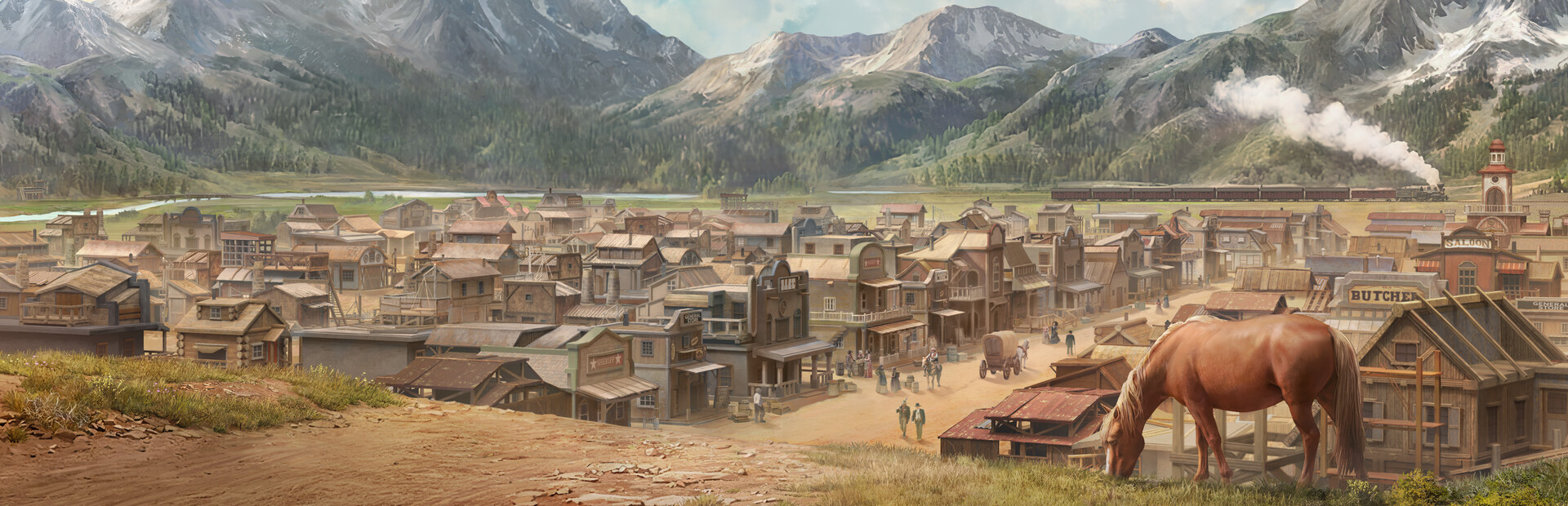
Wild West Pioneers How to Play: Opening Checklist & Beginner Steps
Quick answer
Start with the settlement hub, then stabilize housing, wood, food, water, storage, and roads before expanding into scouting and trade.
The best way to play Wild West Pioneers is to treat the opening as a survival checklist, not a decoration phase. Your first job is to place a working settlement, keep settlers close to basic services, and make sure wood, food, water, and storage can move without long walks.
This page is the quick how to play / opening checklist answer. Use it during the September Steam Playtest or before the September 25 Early Access launch to understand the intended order of priorities, then confirm exact costs, ranges, and UI steps in the current build.
Opening Checklist
| Opening focus | Priority | What to do |
|---|---|---|
| Before placing the hub | Survey the start | Look for nearby trees, buildable space, and a practical road spine before placing the hub |
| Settlement core | Place the settlement hub | Put the Town Hall / starting hub where housing, storage, and production can stay compact |
| Construction supply | Secure wood | Start the wood chain early because construction depends on it |
| Logistics | Add storage | Keep warehouse or storage placement close to early resource gathering and processing |
| Population needs | Build housing | Give new settlers homes near core services instead of scattering them across the map |
| Survival needs | Stabilize food and water | Make sure survival needs are covered before adding optional buildings |
| Movement | Connect roads | Link the first work area, housing, storage, and service buildings into one usable town |
| Bottleneck check | Review labor and delivery | If a chain stalls, rebalance labor before expanding |
| Expansion readiness | Prepare scouting | Once survival is steady, start thinking about expeditions and future settlements |
Opening Build Order
- Place the Town Hall or starting hub in a compact area with room to grow.
- Start wood production before spending materials on lower-priority expansion.
- Add storage near the first production area so settlers do not waste time walking.
- Build enough housing for early pioneers.
- Cover water and food needs before increasing population pressure.
- Use roads to connect the hub, housing, storage, and workplaces.
- Watch for missing workers, disconnected buildings, and long delivery routes.
- Move toward scouting only after the first settlement can sustain itself.
The exact build menu order may change between the February demo, September playtest, and Early Access. The reliable beginner rule is simpler: every early building should either keep settlers alive, keep construction moving, or reduce travel distance.
Early Building Priorities
| Building type | Beginner job | Priority |
|---|---|---|
| Town Hall / hub | Starts the settlement and anchors the first layout | Essential |
| Housing | Gives pioneers a place to live and supports population growth | Essential |
| Wood chain | Supplies construction materials for the first town | Essential |
| Food chain | Keeps settlers supplied before growth accelerates | High |
| Water access | Prevents the opening from failing around basic needs | High |
| Warehouse / storage | Shortens logistics and protects production flow | High |
| Roads | Keeps the settlement connected and easier to expand | High |
| Scouting / expeditions | Opens the wider map after the town is stable | Later |
Layout Rules for Beginners
Place early buildings close enough that settlers can move between homes, work, storage, and services quickly. Long walks are expensive in a city builder because they quietly reduce every production chain at once.
Use these rules until current playtest evidence confirms more exact placement advice:
| Layout rule | Why it helps |
|---|---|
| Keep housing near services | Settlers should not cross the map for basic needs |
| Put storage near production | Wood and food chains depend on short delivery paths |
| Leave road space before filling gaps | Rebuilding the first block is slower than planning a main route |
| Expand in small clusters | Compact growth is easier to supply than scattered buildings |
| Recheck disconnected buildings | A strong plan fails if one workplace is not connected |
What to Watch During the Playtest
The September 2 Steam Playtest is the right time to verify exact beginner details. Do not treat old demo routes as final.
| Watch item | Confirm in the current build |
|---|---|
| Water behavior | Whether housing, hub placement, or service range changes the safest start |
| Road snapping | How strict road and building connection rules feel now |
| Building placement feedback | Whether color/range indicators clearly explain valid placement |
| Worker assignment | How quickly you can fix a stalled production chain |
| Storage distance | How much travel time affects early wood and food flow |
| Save behavior | Whether playtest saves are intended to carry forward |
Mastering Production Chains and City Management
As your village grows, simply gathering raw materials will not be enough. You must establish production chains so goods move from gathering, to processing, to storage, and finally to settlers or construction.
Official store copy emphasizes fully simulated settlers, production chains, upgradable buildings, trade routes, and multiple settlements. That means a shortage is often a logistics problem, not just a production problem.
| Chain area | What to check | Why it matters |
|---|---|---|
| Wood | Raw supply, processing, and storage | Construction depends on a reliable material flow |
| Food | Production, delivery, and demand | Settlers need stable food before expansion |
| Storage | Warehouse distance and capacity | Long trips can slow every other chain |
| Trade | Settlement links and wagon routes | Later towns may need resources from each other |
When a chain fails, check it in order: raw material, assigned workers, road connection, storage distance, processing capacity, and settler demand. Expanding before that check can make a small shortage worse.
Expanding Your Territory and Trade Routes
One settlement is only the beginning. As you discover new resource streams, the urge to expand will become unstoppable. The strategic map is a vital tool that helps you plan your progress across the American frontier. From here, you can send expeditions into uncharted territory, establish trading outposts, and dispatch wagons with daring explorers eager to found new villages.
Setting up trade routes between interconnected settlements should let resources move where they are needed. If one village has timber but lacks food, a trade route can become more important than another local building.
For the most up-to-date feature list, check the official Wild West Pioneers Steam store page and the current playtest notes. Avoid planning around unconfirmed late-game numbers before Early Access begins.
| Expansion Phase | Action Required | Benefit |
|---|---|---|
| Phase 1: Scouting | Send expeditions to uncharted territory | Reveals new points of interest |
| Phase 2: Outposting | Establish trading outposts | Secures resource streams |
| Phase 3: Settling | Dispatch wagons to build new villages | Expands sphere of influence |
| Phase 4: Connecting | Set up trade routes | Exchanges resources between cities |
When dispatching wagons to found new settlements, make sure they are properly supplied. A poorly equipped expedition can stall in the wilderness, wasting valuable time and resources. The sandbox nature of the game ensures that no two playthroughs will ever be the same, so adapt your expansion strategy to the map layout you are given.
Keeping Settlers Happy and Healthy
Every settler is presented as a simulated character with needs. If your town cannot satisfy basic needs, growth slows and the rest of the plan stops mattering.
Official descriptions mention citizen roles such as mayors and sheriffs, along with individual traits and roles that can influence settlement performance. For beginners, the practical lesson is to solve the visible shortage first before assigning leaders for long-term bonuses.
| Citizen role area | What to check | Why it matters |
|---|---|---|
| Mayor-style leadership | Local settlement bonuses or traits | Leadership should support the town's current shortage |
| Sheriff-style leadership | Order, safety, or service-related traits | Defensive or stability needs may matter as towns grow |
| Workers | Job assignment and delivery paths | Most beginner problems start as labor or logistics bottlenecks |
Understanding these dynamics is an essential part of Wild West Pioneers strategy. Regularly check what settlers lack, then decide whether the fix is a new building, a road, more storage, or a worker reassignment.
Early Access and System Requirements
Wild West Pioneers is scheduled to enter Early Access on September 25, 2026. The September 2 open Steam Playtest comes first, but access is limited and Steam selects from players who request access.
The developers plan to use Early Access feedback to refine the game, add production chains, advanced buildings, transportation options, random events, and map variety. For current PC specs, use the Wild West Pioneers System Requirements Guide.
If you want to play before Early Access, use the Wild West Pioneers Playtest Guide for current access steps.
Frequently Asked Questions (FAQ)
What is the core Wild West Pioneers game how to play loop? The core gameplay loop involves gathering raw resources, establishing production chains to create usable goods, fulfilling the needs of individual settlers, and eventually expanding your influence by founding new interconnected villages on the strategic map.
What should I do first in Wild West Pioneers? Place the settlement hub, secure wood, add storage, build housing, cover food and water, and connect the first buildings with roads before scouting.
How long will the game be in Early Access? The developers plan to keep the game in Early Access for approximately one year, starting from its September 2026 release. They intend to use this time to add advanced buildings, new transportation methods, and varied maps based on community feedback.
Does every settler matter in the Wild West Pioneers game how to play sandbox? Yes, every settler is a fully simulated character with specific needs. Their happiness levels—driven by health, jobs, and resources—dictate whether your settlement thrives and attracts new pioneers. You will even appoint specific mayors and sheriffs whose perks directly impact the community.
Choose your next move
Related Guides
Once this question is solved, continue to the next decision without returning to search.
Essential Wild West Pioneers Game Tips for Building Your Frontier Town
Master Wild West Pioneers with expert tips on town layout, water management, bug workarounds, and resource optimization for Early Access success.
Wild West Pioneers Beginner Guide: What to Build First
A practical Wild West Pioneers beginner guide for opening settlement priorities: food, wood, warehouses, roads, scouts, and expansion.
Wild West Pioneers Demo: Historical February Build, Current Playtest Path
The Wild West Pioneers February 2026 demo is historical. For current hands-on access, use the Steam Open Playtest request path.
Wild West Pioneers Gameplay Guide: Start Your First Settlement
A current Wild West Pioneers gameplay guide for first settlement choices, food, water, housing, wood, roads, Journey progression, scouting, and trade routes.