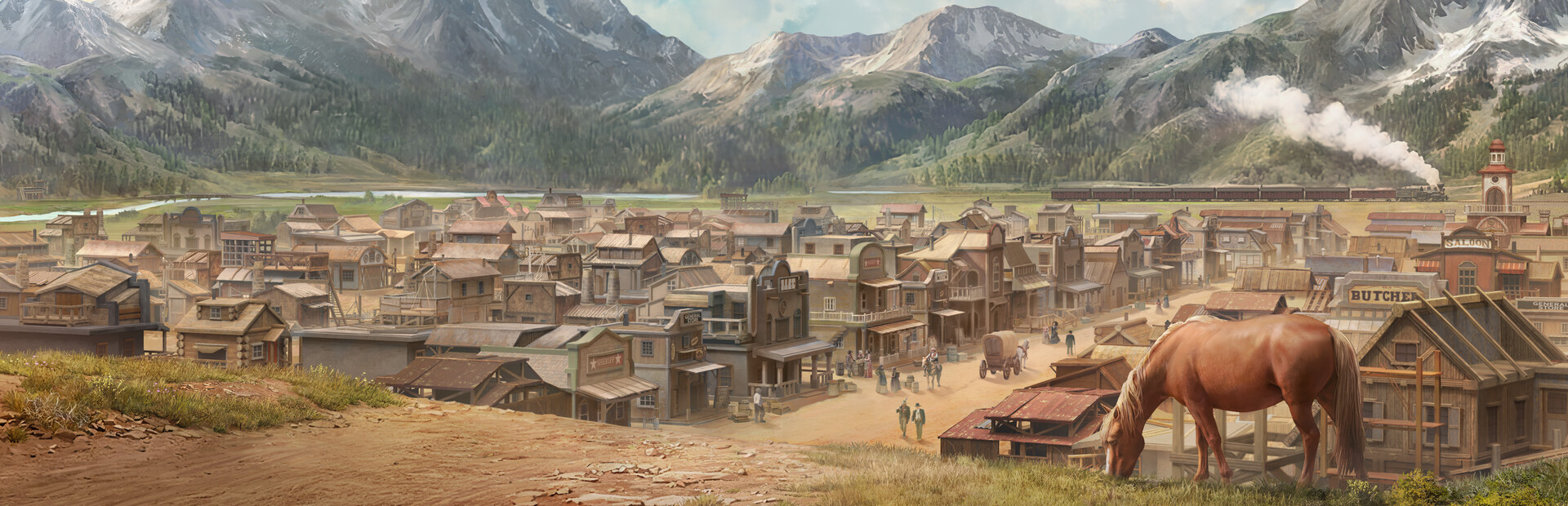
Wild West Pioneers Trade Routes Guide: Trading, Transport & Warehouses
Quick answer
How to plan trade routes, warehouses, transport, and settlement roles before overextending.
This Wild West Pioneers trade routes guide is written for players searching for how trading, transport, warehouses, wagons, and multiple settlements fit together. The official material emphasizes a world map, trade routes, expeditions, wagons, and more than one settlement, but the full Early Access rules are not available yet.
Use this page as a practical planning guide for the September 2, 2026 playtest and the September 25, 2026 Early Access release on Steam, GOG.com, and Epic. It avoids unconfirmed values and focuses on decisions that should matter in any production-chain settlement builder: surplus, storage, route purpose, and travel time.
Quick Facts
| Topic | Practical takeaway |
|---|---|
| Current status | Playtest starts September 2, 2026; Early Access releases September 25, 2026 |
| Platforms | Steam, GOG.com, and Epic |
| Official focus | World map, trade routes, multiple settlements, expeditions, wagons |
| Best first route | A route that moves a real surplus into a real shortage |
| Key building | Warehouse or storage near production and wagon access |
| Main risk | Sending goods away before the source settlement is stable |
| SEO query fit | wild west pioneers trade routes, trading, transport, warehouse, multiple settlements |
Trade Route Planning Steps
| Step | Action | Why it matters |
|---|---|---|
| 1 | Stabilize the first settlement | Trade cannot fix a town that lacks food, wood, housing, or storage |
| 2 | Identify a surplus | A route should move goods the source town can spare |
| 3 | Identify a shortage | The destination should need the goods for survival, building, or production |
| 4 | Place a warehouse | Storage near producers and wagon access reduces transport delay |
| 5 | Check road access | Wagons and workers should not cross the whole settlement unnecessarily |
| 6 | Start with one useful route | One clear route is easier to read than several speculative routes |
| 7 | Watch the source town | If the source begins running low, the route is too aggressive or too early |
What Makes a Good Trade Route
A good trade route has a job. It is not just a line on the world map. Before you connect settlements, write the route purpose in plain language:
| Route purpose | Example |
|---|---|
| Food support | Farming settlement sends food to a wood or mining town |
| Building materials | Forest settlement sends wood or processed materials to a new outpost |
| Recovery supply | Main town sends emergency stock to a young settlement |
| Specialization | One settlement focuses on a local resource and trades the excess |
| Expansion setup | A developed town supplies the first warehouse of a new settlement |
If you cannot describe the route purpose, wait. Random trading can hide shortages until a settlement is already in trouble.
Warehouse Placement for Trading
Warehouses are the hinge between local production and regional transport. A warehouse should shorten movement in both directions: producers bring goods in, and wagons or transport workers take goods out.
| Warehouse position | Use it when | Avoid it when |
|---|---|---|
| Central town warehouse | One settlement has mixed food, wood, and building needs | It forces all industry to cross housing blocks |
| Production-side warehouse | A district produces one major surplus | The destination is far from road or wagon access |
| Trade-edge warehouse | Routes enter and leave from the same side of town | Producers must walk too far to deliver goods |
| New-settlement warehouse | You are founding a second or third settlement | The settlement has no stable supply plan yet |
For early trading, the safest warehouse is usually close to the production chain and connected to a direct road. A beautiful town square warehouse can still be inefficient if every wagon trip begins with a long detour.
Multiple Settlements: Specialize Before You Sprawl
Wild West Pioneers highlights multiple settlements, which means the strongest economy will likely be regional rather than one giant self-contained town. The practical goal is specialization.
| Settlement role | What it should focus on | What to trade |
|---|---|---|
| Founding town | Food, wood, housing, first storage | Emergency support and starter goods |
| Forest settlement | Wood and building materials | Construction supply for new towns |
| Food settlement | Farming, hunting, or food processing | Surplus food to worker-heavy settlements |
| Frontier outpost | Scouting access and future expansion | Basic supply until local production works |
| Trade hub | Storage and route access | Goods that pass between specialized towns |
Do not copy the same full build order in every settlement unless the map forces it. A second settlement should solve a resource or location problem that the first settlement cannot solve efficiently.
Transport Checklist
| Check | Good sign | Warning sign |
|---|---|---|
| Source surplus | Storage stays above local needs | Source town drops into shortage after route starts |
| Destination need | Imported goods are used quickly | Goods pile up without purpose |
| Warehouse access | Producers and wagons reach storage directly | Workers cross town for every delivery |
| Road layout | Routes connect to the settlement edge cleanly | Transport cuts through crowded housing |
| Settlement role | Each town has a clear job | Every town tries to do everything |
Common Mistakes
| Mistake | Why it hurts | Better move |
|---|---|---|
| Trading before the first town is stable | A route can drain the exact goods your settlers need | Build food, wood, storage, and roads first |
| Building warehouses too late | Goods travel too far before storage exists | Add storage when the first production chains are still compact |
| Making every settlement identical | Duplicated chains waste workers and space | Let each settlement specialize around local resources |
| Opening routes without a purpose | Random transport makes shortages harder to diagnose | Link every route to a named surplus and shortage |
| Ignoring wagon access | Long paths turn trading into slow internal transport | Put trade storage near direct roads and route exits |
Practical Opening Route
The safest first trade route is usually boring:
| Phase | Route decision |
|---|---|
| First settlement stable | Keep food and wood local until storage is comfortable |
| Scout or expedition returns useful information | Choose a second location for a specific resource or route position |
| Second settlement starts | Send only basic support goods if the source town can spare them |
| Second settlement produces surplus | Reverse or adjust the route so it solves a real shortage |
| Both towns stabilize | Add another specialized route instead of overloading the first one |
This approach keeps the world map useful without turning transport into a guessing game.
FAQ
How do trade routes work in Wild West Pioneers? Official material confirms trade routes, wagons, a world map, and multiple settlements, but exact Early Access rules are not fully public yet. Plan around surplus, shortage, warehouse access, and road distance.
When should I start trading? Start after the first settlement has stable food, wood, housing, roads, and storage. Trading too early can drain the source settlement.
Where should I place a warehouse for trade routes? Place it near the production chain that creates the surplus and near direct road or wagon access. Avoid storage that forces long walks through housing.
Should every settlement produce everything? No. Multiple settlements are strongest when each one has a role, such as food, wood, trade hub, or frontier outpost.
Are wagons confirmed for Wild West Pioneers? Yes, official descriptions emphasize wagons as part of the frontier economy and transport fantasy. Exact wagon capacity, speed, and route controls should be verified during the playtest or Early Access.
Choose your next move
Related Guides
Once this question is solved, continue to the next decision without returning to search.
Wild West Pioneers Best Build Order: What to Build First
A current Wild West Pioneers build order guide for first buildings, food vs water, housing, wood, storage, roads, Journey choices, scouts, and second settlement timing.
Wild West Pioneers Best Settlement Layout & Road Planning
Plan the best Wild West Pioneers settlement layout with Town Hall placement, roads, snapping, warehouses, housing, water, food, wood, and expansion space.
Wild West Pioneers Settlement Layout Checklist
A compact Wild West Pioneers settlement layout checklist for checking Town Hall, water, housing, warehouse, roads, production zones, and expansion exits.