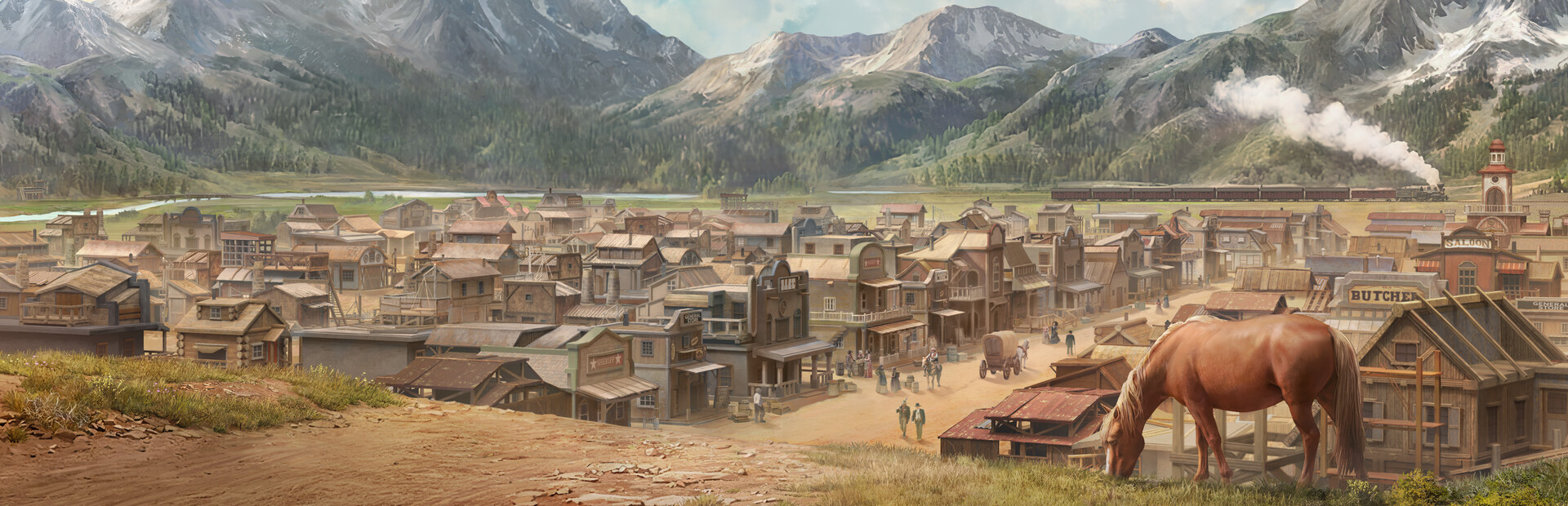
Wild West Pioneers Best Settlement Layout & Road Planning
Quick answer
The safest layout is a flexible Town Hall core with short roads to storage, housing near water, food and wood on readable routes, and open exits for trade routes and future settlements.
The best Wild West Pioneers settlement layout is a flexible working town, not a finished postcard. Start with a clear Town Hall core, short roads to storage, housing near water, and production zones that do not force every worker through the same crowded lane.
This page focuses on where to place buildings. For build order and what to build first, use the Wild West Pioneers build order guide.
Quick Layout Blueprint
| Zone | Best early placement | Why it matters |
|---|---|---|
| Town Hall | Near the center of your first planned town | Anchors roads, housing, storage, and later expansion |
| Warehouse | One short road from the Town Hall, biased toward production | Keeps wood, food, and construction goods reachable |
| Housing | Compact blocks near water and main routes | Settlers spend less time walking |
| Water | River edge, Well, or Water Tank close to homes | Prevents the first needs crisis |
| Food | Between wilderness/farms, storage, and housing | Keeps delivery routes short |
| Wood | On the forest side with direct road to storage | Supports construction without clogging homes |
| Roads | Main spine with short branches | Easier to expand and debug |
| Expansion exits | Leave at least one open side | Supports trade routes and second settlements |
ASCII Layout Sketch
Use this as a planning sketch, not a final template. Adjust for terrain, building footprints, resources, and playtest placement rules.
                 FUTURE EXPANSION / TRADE ROUTE EXIT
        -------------------------------------------------
        |         Reserved land for later chains         |
        -------------------------------------------------
                         |
                      Main Road
                         |
        [Housing]---[Water]---[Town Hall]---[Warehouse]---[Logging]
            |         |           |             |             |
        [Housing]---[Road]----[Road Hub]------[Road]------[Sawmill]
                                  |
                              [Food Route]
                                  |
                          [Hunter/Farm]---[Butcher]
Town Hall Placement
Place the Town Hall where the town can grow around it. A central location is usually safer than an edge placement because your first roads, warehouse, housing, and future expansion all need access to the hub.
| Town Hall choice | Result |
|---|---|
| Center of first build area | Easier roads and balanced expansion |
| Near river but not boxed in | Strong water start without choking growth |
| Near food but with road space | Faster food setup without a messy core |
| Far edge of buildable space | Often creates long storage and housing routes |
Do not surround the Town Hall with homes on every side. Leave a side open for storage, civic buildings, or a future route out of town.
Road Planning and Snapping
Recent official messaging and gameplay material emphasize more building freedom, road types, and snapping behavior than the early demo era. Use snapping as a tool, not a prison: a clean main road matters more than forcing every building into a tiny perfect grid.
| Road type or habit | Best use |
|---|---|
| Main road | Connect Town Hall, warehouse, and future exits |
| Standard roads | Link housing, food, and wood districts |
| Small paths | Short local links where the economy is already stable |
| Snapping on | Fast alignment for the town core |
| Snapping off | Useful when terrain or later districts need flexibility |
Avoid decorative loops early. They can look good, but they often add walking distance before you know the current build's exact movement rules.
Warehouse Placement
The warehouse should be easy to reach from every early chain. Put it near the Town Hall, but slightly toward wood and food production rather than behind houses.
| Warehouse rule | Why |
|---|---|
| Touch a direct road | Prevents hidden logistics delays |
| Keep space around it | Lets later storage or production fit |
| Bias toward production | Shortens hauling from food and wood |
| Keep housing from boxing it in | Storage should stay functional as the town grows |
If the warehouse is hard to reach, the whole settlement feels slower even when resource totals look fine.
Housing and Water Layout
Housing works best in compact blocks near water and roads. River starts are beginner-friendly because they simplify water. Inland starts can still work, but you should reserve room for Wells or Water Tanks before population grows.
| Housing pattern | Recommendation |
|---|---|
| First homes | Place near water and the main road |
| Later homes | Extend in rows or blocks, not random scatter |
| Water service | Add support before homes are too far from access |
| Distance to work | Keep homes close enough that settlers are not commuting forever |
Food and Wood Zones
Separate food and wood enough that each chain has room, but keep both connected to storage. The goal is readable logistics.
| Chain | Layout rule |
|---|---|
| Food | Keep source, processing, storage, and homes on a short route |
| Wood | Put logging and sawmill on the forest side with storage access |
| Shared storage | Do not force food and wood routes through a housing maze |
| Expansion | Leave space for later production buildings |
River Start vs Inland Start
| Start | Layout priority |
|---|---|
| River | Place first housing near water, then stabilize food and storage |
| Inland | Reserve water infrastructure space before adding many homes |
| Food-rich | Keep the food route short, then solve water |
| Forest-heavy | Build storage and roads before the wood chain sprawls |
Common Layout Mistakes
| Mistake | Better choice |
|---|---|
| Town Hall on the edge | Place it where roads can branch cleanly |
| Warehouse behind houses | Keep storage on the main work route |
| Housing scattered everywhere | Build compact blocks near water and roads |
| Roads with long loops | Use a spine road and short branches |
| Filling every open space | Reserve land for future chains |
| Copying old demo layouts exactly | Recheck placement in the September playtest |
FAQ
What is the best Wild West Pioneers layout for beginners? A central Town Hall, nearby warehouse, compact housing near water, short roads to food and wood, and one reserved expansion side.
Should I use a grid? A loose grid is fine for the core, but do not force every later district into it. Snapping and road types should help the town work, not make it brittle.
Where should the warehouse go? Near the Town Hall and main road, biased toward production access. Do not bury it behind housing.
Should I start near a river? River starts are safer for water, but food, wood, and expansion space still matter.
Is this page replacing the settlement-layout page? This is the main layout guide. Any separate settlement-layout page should stay narrower or redirect here if it repeats the same intent.
Choose your next move
Related Guides
Once this question is solved, continue to the next decision without returning to search.
Wild West Pioneers Best Build Order: What to Build First
A current Wild West Pioneers build order guide for first buildings, food vs water, housing, wood, storage, roads, Journey choices, scouts, and second settlement timing.
Wild West Pioneers Settlement Layout Checklist
A compact Wild West Pioneers settlement layout checklist for checking Town Hall, water, housing, warehouse, roads, production zones, and expansion exits.
Wild West Pioneers Trade Routes Guide: Trading, Transport & Warehouses
A practical Wild West Pioneers trade routes guide covering trading, transport, warehouses, multiple settlements, wagons, surplus checks, and safe route planning.