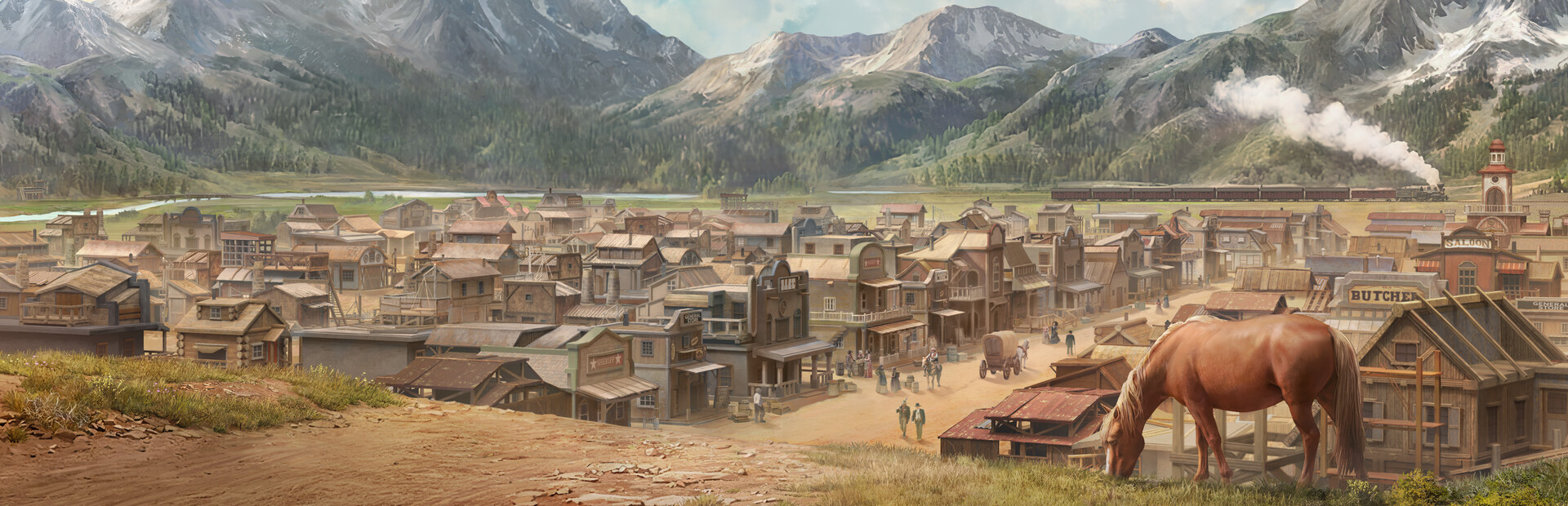
Wild West Pioneers Wood Production Guide: Current Playtest Notes
Quick answer
Based on currently available information, wood production should be planned around logging, processing, storage, roads, and worker travel. Exact costs, ranges, output rates, upgrade values, and optimal ratios should be verified in the current playtest or Early Access build.
Based on currently available information, Wild West Pioneers wood production is one of the first systems to plan because early buildings, storage, roads, and settlement expansion all depend on a reliable construction material flow.
This is a playtest-era guide, not a final production calculator. Use it to understand the likely wood chain, placement logic, and logistics checks before the September Steam Playtest and the September 25, 2026 Early Access launch. In short: exact costs, ranges, output rates, upgrade values, and optimal ratios should be verified in the current playtest or Early Access build.
Current Wood Production Answer
Wild West Pioneers presents wood as part of a broader settlement economy: gather raw resources, process them into usable goods, store them close to demand, and keep workers from wasting time on long routes.
| Player question | Current answer |
|---|---|
| What is wood for? | Early construction, settlement growth, and production-chain support |
| What should I build around it? | Logging, sawmill-style processing, storage, and roads |
| What matters most early? | Short routes between forest access, processing, warehouse space, and construction demand |
| Are exact ratios confirmed? | Not enough to publish fixed optimal ratios yet |
| Should old demo numbers be trusted? | Treat them as historical until the current build confirms them |
Understanding the Wood Production Chain
The safe planning model is a simple chain:
| Chain stage | Settlement role | What to verify |
|---|---|---|
| Harvesting | Gets timber from forest or wood source areas | Building name, valid placement rules, worker travel behavior |
| Processing | Turns raw wood into usable construction material | Whether the current build uses a sawmill step and what it requires |
| Storage | Keeps materials available for builders and later production | Warehouse range, capacity, and road connection rules |
| Distribution | Moves wood toward construction and other settlements | Transport buildings, wagons, trade routes, or later rail behavior |
The important beginner lesson is not a fixed number. It is the flow: if harvesting, processing, storage, and construction demand are too far apart, the settlement can feel short on wood even when a building is technically working.
First Settlement Setup
Start with a compact wood area that can connect back to housing, storage, and the Town Hall without forcing every worker through a crowded center.
| Step | Action | Why it matters |
|---|---|---|
| 1 | Check nearby forest and buildable space before committing the town core | Wood access is easier to fix before roads and housing lock the layout |
| 2 | Reserve a short route between the wood source and processing area | Shorter hauling should reduce early logistics pressure |
| 3 | Put storage where both production and builders can reach it | A warehouse hidden behind homes can slow the whole opening |
| 4 | Connect the first production area with readable roads | Disconnected or indirect paths are easier to diagnose early |
| 5 | Leave room for future buildings | Early Access may change footprints, upgrades, or extra chain steps |
Do not treat old demo timings as a build order. The current playtest and Early Access build should be used to confirm exact menu order, construction costs, and whether any starter quest changes the best first move.
Placement Principles to Use Now
Placement should reduce travel distance and keep the town readable. Avoid publishing or relying on exact tile distances until the current build can be tested.
| Principle | Practical use |
|---|---|
| Keep the wood chain compact | Put harvesting, processing, and storage on a simple route |
| Avoid boxing in storage | Warehouses need room to keep serving later buildings |
| Keep homes near services, not inside the work route | Housing should not block the path between production and storage |
| Use roads to make bottlenecks visible | A clear main route makes stalls easier to spot |
| Leave expansion space | Future Early Access updates may add buildings or change chain depth |
If a chain appears stalled, check road connection, worker assignment, storage access, and raw material availability before adding more buildings.
What to Verify During the Playtest
The September playtest is the right place to turn general advice into measured guidance. Until then, the page should stay conservative.
| Verification item | Why it matters |
|---|---|
| Building names and unlock order | Older demo names or steps may not match the current build |
| Placement range and valid terrain | Forest access, snapping, and footprint rules can change |
| Processing requirements | The current build may confirm whether logs, lumber, or planks are separate items |
| Warehouse capacity and hauling behavior | Storage pressure can decide whether production is actually usable |
| Upgrade effects | Upgrade value should be measured before ranking priorities |
| Trade route behavior | Multi-settlement wood movement depends on confirmed transport rules |
Record observed values separately from strategy notes. A good playtest update should say what was tested, which build it came from, and whether the value was shown by the UI or inferred from play.
Storage, Roads, and Worker Flow
Wood production is only useful if materials reach the next job. A strong layout keeps storage close enough to the work area while still accessible to builders, housing, and later transport routes.
| Bottleneck | Check first |
|---|---|
| Wood is not increasing | Workers, road access, valid source area, and harvesting building status |
| Processed material is missing | Processing building input, staffing, and storage path |
| Builders wait too long | Warehouse distance, road layout, and competing delivery jobs |
| The town grows but wood collapses | More housing or services may be increasing demand faster than supply |
| A second settlement needs material | Confirm trade, wagon, or transport rules before specializing towns |
The goal is flexible planning. Keep the first chain simple enough that you can adjust after the current build confirms exact mechanics.
Multi-Settlement Wood Planning
Official material emphasizes multiple settlements, trade routes, wagons, and a wider world map, but that does not yet justify a fixed "wood town" blueprint.
Use this safer approach:
| Expansion choice | Current recommendation |
|---|---|
| First town | Keep enough wood capacity for housing, storage, roads, and core production |
| Second town | Verify local wood access before assuming imports will solve the start |
| Trade routes | Test whether moving wood is faster than building local production |
| Railroad planning | Reserve space only after current transport rules are confirmed |
A specialized wood settlement may become useful, but it should be treated as an Early Access test case rather than settled advice.
FAQ
What is the best building placement for Wild West Pioneers wood production?
Use a compact route between the wood source, processing building, warehouse, roads, and construction demand. Avoid exact tile rules until the current playtest or Early Access build confirms them.
How do I increase wood production output in Wild West Pioneers?
Check the basics first: valid placement, assigned workers, road access, storage access, and whether processing has the input it needs. Upgrade rankings and output gains should be measured in the current build before being treated as best advice.
Can I specialize a settlement entirely in wood production?
Possibly later, but do not plan around a fixed specialization strategy yet. Confirm trade route controls, wagon behavior, storage rules, and local resource access before making one town depend on another for essential materials.
How does the day and night cycle affect wood production?
Official descriptions mention a day and night cycle, but exact production effects should be tested in the current build. Do not assume a specific nighttime penalty unless the UI or developer notes confirm it.
Should I follow old February demo wood guides?
Use old demo guides only for broad context. Treat exact building order, tile distances, upgrade rankings, costs, and production values as historical until they are verified during the current playtest or Early Access.
Choose your next move
Related Guides
Once this question is solved, continue to the next decision without returning to search.
Mastering Wild West Pioneers Resource Chains: A Complete Production Guide
Learn how to optimize Wild West Pioneers resource chains for maximum settlement growth, trade efficiency, and frontier expansion success.
Wild West Pioneers Food Production Guide: Keep Your Settlers Fed
Master Wild West Pioneers food production with tips on hunter cabins, butcher shops, and store placement to keep your town thriving.
Wild West Pioneers Production Chains Guide: Food, Wood, Storage & Trade
Plan Wild West Pioneers production chains around food, wood, warehouses, roads, trade routes, and multiple settlements before Early Access begins.