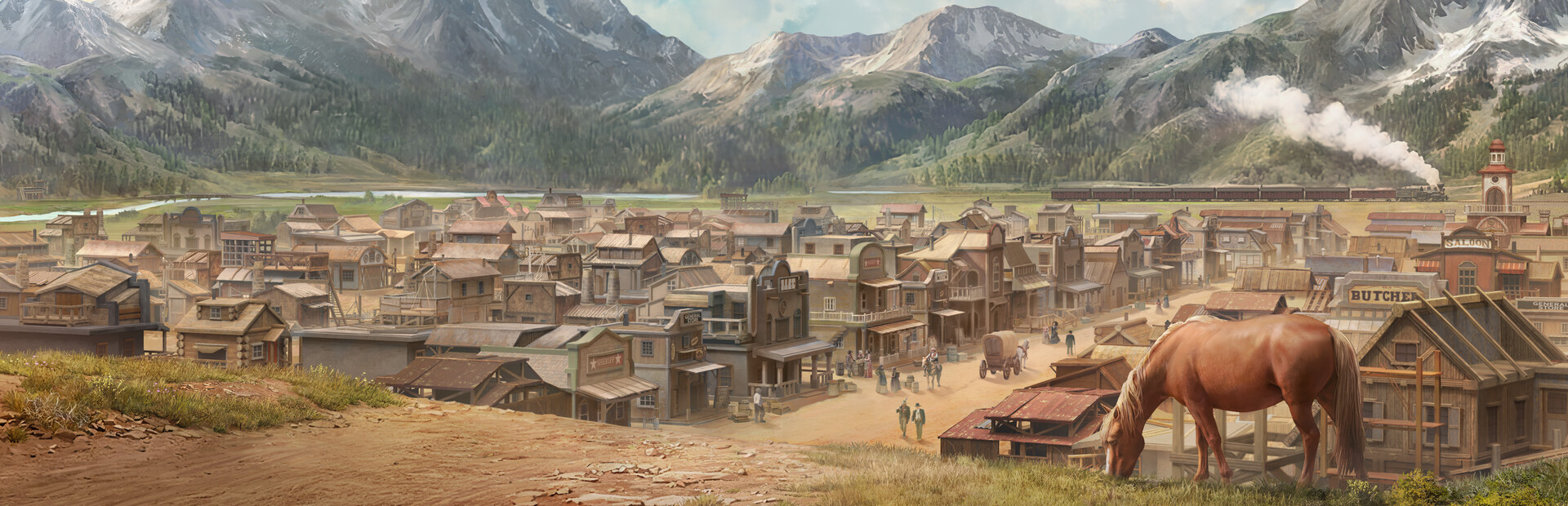
Wild West Pioneers Gameplay Guide: Start Your First Settlement
Quick answer
Start by securing housing, food, water, wood, storage, and direct roads. Your Town Hall location shapes the opening: river starts simplify water, while inland or food-rich starts may need Wells or Water Tanks earlier.
Wild West Pioneers gameplay is about building a working frontier settlement before you dream too big. Your first goal is simple: keep settlers housed, fed, supplied with water, and close enough to storage that production does not stall.
The current pre-launch window matters. The old February 2026 demo is historical, while the September 2 open playtest and September 25 Early Access build are the best places to confirm exact numbers, unlocks, and build order. This guide avoids treating old demo specifics as final.
First Settlement Quick Plan
| Opening decision | Best current approach |
|---|---|
| Town Hall location | Choose a site that can support housing, storage, food, wood, and later roads |
| River start | Easier water access, often safer for first housing |
| Inland or food-rich start | Can be strong, but plan Wells or Water Tanks earlier |
| First needs | Housing, food, water, wood, warehouse/storage, roads |
| First economy | Short food and wood chains before rapid expansion |
| First progression | Use Journey goals as flexible direction, not a rigid old-demo script |
| First scouting | Build toward scouting after the settlement can survive without constant rescue |
What Is Wild West Pioneers?
Wild West Pioneers is a PC frontier city builder from EmpireCraft Studios and Toplitz Productions. Official store pages describe a game about building settlements, establishing production chains, managing individual settlers, sending scouts, founding new villages, and connecting towns through trade routes.
The important gameplay promise is not one huge city. It is a network of settlements that slowly turns the frontier into a functioning economy.
How to Choose Your Starting Location
Your Town Hall placement decides the first problem you must solve. A location near water can make early housing easier. A location with stronger food or wood may pay off later, but it can force you to solve water and hauling earlier.
| Start type | Early advantage | Early risk | First adjustment |
|---|---|---|---|
| River start | Water is easier to secure | May not have the best food or wood nearby | Stabilize food and storage quickly |
| Forest start | Strong wood flow | Housing and water may be awkward | Keep roads short to storage |
| Food-rich start | Safer early meals | Water may need extra planning | Add well/water support early |
| Open flatland | Easy roads and expansion | Weak resources can slow the first chain | Scout before overbuilding |
Do not judge a start only by how pretty the town can look. Judge it by whether settlers can reach basic needs without walking across half the map.
What to Build First
The safest beginner priority is:
- Town Hall or starting hub.
- Basic housing close to water or planned water service.
- Food source and food delivery.
- Wood gathering and construction materials.
- Warehouse or central storage.
- Roads that connect homes, work, and storage.
- Scout or expedition support once the core is stable.
This order can change with terrain. A river start may let you push food first. An inland start may need water infrastructure sooner. A strong forest start may make early wood easy but still fail if settlers cannot eat.
Food vs Water: Which Comes First?
The honest answer is: whichever your Town Hall site makes harder.
| Situation | Priority |
|---|---|
| Housing is beside reliable water | Food first, then wood and storage |
| Housing is away from water | Well or Water Tank planning before population growth |
| Food source is far away | Storage and direct roads before extra homes |
| Wood is far away | Keep early buildings compact and avoid unnecessary roads |
Food shortages and water gaps are both settlement killers. The difference is that water is often a placement problem, while food becomes a production-chain and delivery problem.
How the Journey System Works
The current version emphasizes a Journey structure rather than a purely fixed old-demo progression path. After the Town Hall phase, Journey tasks and Journey Points are expected to guide your next choices: exploration, settler happiness, resource focus, building unlocks, and optional progression goals.
For beginners, treat Journey choices as a way to specialize the settlement.
| Journey direction | When it makes sense |
|---|---|
| Resource focus | Your start has strong wood, food, or production potential |
| Exploration | Your first settlement is stable and you need new opportunities |
| Settler happiness | Population growth is blocked by unmet needs |
| Production growth | Storage and basic chains are stable enough to expand |
Do not spend early progression just because a button is available. Ask what problem your town has right now.
Roads, Storage, and Walking Time
Roads are not decoration in Wild West Pioneers. They are how your settlement turns buildings into a working economy. A warehouse hidden behind homes, a food building on a long detour, or a road network with unnecessary loops can create shortages even when you technically own enough resources.
Good early road planning:
| Road habit | Why it works |
|---|---|
| One clear main road | Easy to extend toward new districts |
| Short branches to housing | Settlers reach needs faster |
| Direct road to warehouse | Goods move without weird detours |
| Open exits from town | Future trade routes and second settlements are easier |
Keep the first town readable. You can beautify later.
Settlers and Happiness
Every settler matters. Official store copy emphasizes individual needs, job availability, health standards, and happiness as drivers of population growth. In practice, that means you should watch what settlers lack before placing another production building.
| Settler need | Early answer |
|---|---|
| Shelter | Compact housing near roads and water |
| Food | Working food source, processing if needed, and delivery access |
| Water | River access, Wells, or Water Tanks depending on start |
| Jobs | Assign workers without emptying every other role |
| Happiness | Fix repeated complaints before inviting more settlers |
Growth is only good when the economy underneath it can carry the extra people.
Scouting and Expansion
Scouts and expeditions are core to the game's larger loop, but they should not be your first escape hatch from a weak town. Scout when food, wood, housing, water, and storage are stable.
Scouting helps you find:
| Discovery | Why it matters |
|---|---|
| New resources | Lets towns specialize instead of duplicating every chain |
| Outpost sites | Supports wider expansion |
| Future settlements | Builds toward a multi-town economy |
| Trade route opportunities | Lets one settlement support another |
When you found a second settlement, make it solve a specific problem: better food, stronger wood, a trade position, or room for later production.
What Changed From Old Demo Guides?
Older Wild West Pioneers demo guides can still teach the broad loop, but they may overstate exact rules from the February build. Be careful with advice about fixed talent trees, fixed Scout's Cabin timing, old tutorial steps, exact expedition locations, or strict placement ranges.
Use old demo details as context. Use the September 2 playtest and Early Access build to confirm the current rules.
Beginner Mistakes to Avoid
| Mistake | Why it hurts |
|---|---|
| Building too many homes first | Population grows faster than food and water |
| Choosing Town Hall by looks only | The whole opening becomes a hauling problem |
| Burying the warehouse | Production chains slow down |
| Delaying food delivery | Stored food does not help if settlers cannot get it |
| Scouting too early | Your first town collapses while workers are away |
| Copying old demo build orders exactly | Current systems may have changed |
Gameplay FAQ
What should I do first in Wild West Pioneers? Secure housing, food, water, wood, storage, and direct roads before expanding.
Should I start near a river? A river start is beginner-friendly because water is easier to solve, but a food-rich or forest start can work if you plan water support early.
What is the Journey System? Journey progression guides your town through goals and rewards. For beginners, use it to solve the settlement's current weakness rather than chasing every unlock.
When should I build scouts? Build toward scouting after the first settlement has stable food, water, housing, wood, and storage.
Is old demo gameplay still accurate? Only partly. The February 2026 demo is useful historical context, but exact mechanics should be rechecked against the September playtest and Early Access build.
Choose your next move
Related Guides
Once this question is solved, continue to the next decision without returning to search.
Essential Wild West Pioneers Game Tips for Building Your Frontier Town
Master Wild West Pioneers with expert tips on town layout, water management, bug workarounds, and resource optimization for Early Access success.
Wild West Pioneers Beginner Guide: What to Build First
A practical Wild West Pioneers beginner guide for opening settlement priorities: food, wood, warehouses, roads, scouts, and expansion.
Wild West Pioneers Demo: Historical February Build, Current Playtest Path
The Wild West Pioneers February 2026 demo is historical. For current hands-on access, use the Steam Open Playtest request path.
Wild West Pioneers How to Play: Opening Checklist & Beginner Steps
Learn how to play Wild West Pioneers with opening priorities: settle, secure wood, food, water, housing, storage, roads, and scouting.